

Jerusalem’s Walls in the Era of Sultan Suleiman the Magnificent
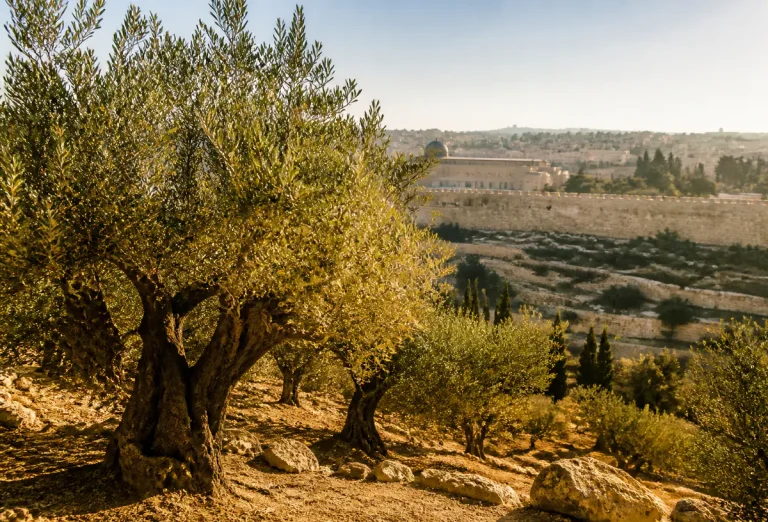
The visible form of the Old City wall is linked to sixteenth-century Ottoman works over older layers.
The visible form of the Old City wall is linked to sixteenth-century Ottoman works over older layers.
A documented modern station in the city's history during World War I, remembered as a change of administration—not an end to Jerusalem's history.

Among the foremost architectural stations in Al-Aqsa's history: the Dome of the Rock in the era of Abd al-Malik ibn Marwan.

A documented event that struck the Qibli prayer hall, remembered in contemporary memory as a painful station in the Haram's history.

A widely documented station in the sources: entry into Jerusalem in early October 1187 after the Battle of Hattin that same year.

A reminder that gates are living entrances: Damascus Gate, Jaffa Gate, Lions' Gate and others still organize movement.

A note on Al-Aqsa's presence in scholars' and travelers' writings as a place described, visited, and narrated.

A reminder that the city was—and still is in its architectural layers—a place of learning: schools, ribats, and libraries.